Action Plan 26-28
Layout:hero
Building towards a future where all Coachella Valley families are healthy, stable, and thriving.

Layout:text_image
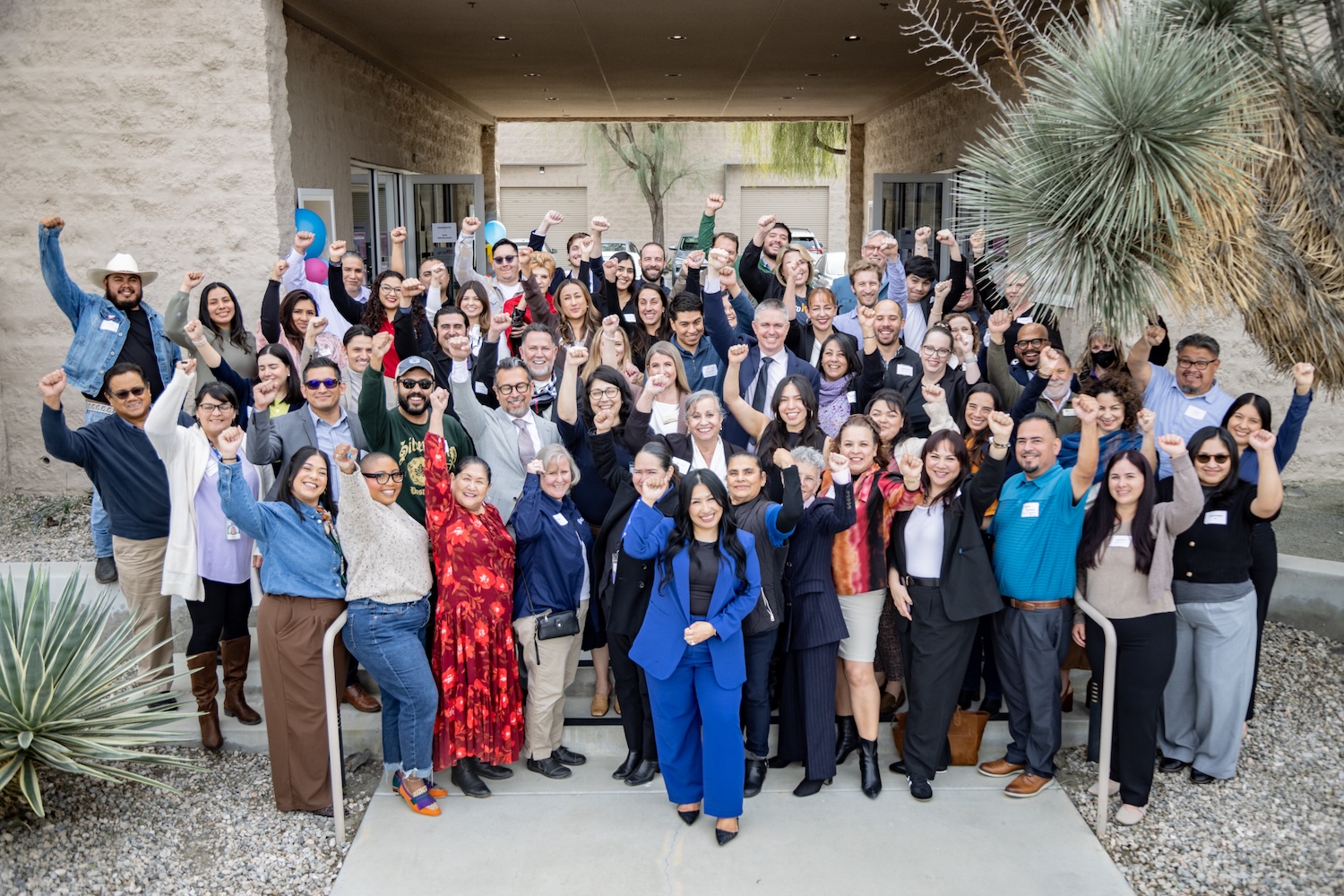
The Action Plan is a roadmap co-created over six months by Lift to Rise and over 80 members of our Housing Collaborative Action Network, Resident Leadership Table, Committees by Cities, and Community Advisory Committee Initiatives. It outlines collective contributions over the next two years to achieve our topline result of reducing rent burden by 30% through the production of 10,000 units of affordable housing by 2028.
Creating the Action Plan involves combining deep data analysis and community perspectives to shape a strategic response to regional housing affordability and economic mobility barriers. For more information on the data that went into this plan, visit our data page.
By December 31, 2028, there will be at least 10,000 units of affordable housing completed, under construction, or fully funded in the Coachella Valley.
Learn about our strategic approach and associated key actions.
Funding
Strengthen and expand affordable housing funding by advancing new public and private investment strategies, growing flexible financing tools, and identifying long-term resources to close regional funding gaps.
- Grow the We Lift Catalyst Fund lending pool to $60 million, including $5 million specifically for homeownership.
- Identify, analyze, and pursue potential new and/or expanded local public revenue sources, including Short-Term Rental fees, Transportation Uniform Mitigation fees, Transient Occupancy Tax increases, Cannabis tax increases, Enhanced Infrastructure Financing Districts, and in-lieu fees.
- Advocate for the passage of the state-level Veterans and Affordable Housing Bond on the November 2026 ballot.
- Advocate for expanded and sustained State of California public investment in key affordable housing programs, including MHP, AHSC, HHAP, PHLA, NPLH, IIG, Joe Serna, LHTF, and the California Housing Accelerator.
- Develop a private investment strategy, and create a pitch and incentive structure for high-net-worth donors, equity funds, estate planning bequests, and Donor-Advised Funds.
- Secure funding for Early Childhood Education and healthcare facility co-location with affordable housing development.
Policy
Advance local and state housing policies that reduce development barriers, strengthen affordability protections, improve project competitiveness, and accelerate the production of affordable housing across the region.
- Educate city elected officials, city administrators, and planning committees on state policies for streamlining affordable housing approvals and local policies to support production (e.g., inclusionary zones, set-asides, etc.)
- Author and support state bills or regulatory changes that advance affordable housing production in our region (e.g., regional scoring incentives for Inland Empire, energy infrastructure planning aligned with housing needs, rural homeownership programs, affordable housing funding).
- Advocate to the State for rental assistance policies for Extremely Low Income renters. Identify and champion additional local and state rent subsidy programs.
- Continue to coordinate and mobilize Housing Collaborative Action Network and Policy and Pipeline Workgroup members through monthly coalition meetings and targeted policy advocacy.
Infrastructure
Support the energy and water infrastructure needed for long-term housing growth by advancing utility planning, expanding funding partnerships, investing in sustainable technologies, and coordinating community-centered infrastructure solutions.
- Coordinate with local energy and water utilities and joint power authorities to align long-range power and water plans with jurisdictional housing goals and the regional affordable housing pipeline.
- Secure state and local funding for connection infrastructure including substation-to-building connections and battery storage.
- When cities or advocates are pursuing community benefit agreements with warehouses or data centers, advocate for affordable housing or infrastructure needs to be part of any agreements.
- Partner with green technology companies/organizations, developers, and local jurisdictions to pilot green energy programs that would support affordable housing production.
Communications and Education
Build public support for affordable housing through resident storytelling, community-centered outreach, expanded media platforms, stakeholder education, and strategic partnerships that shift narratives and increase regional awareness.
- Launch a resident-centered, culturally competent, and multi-lingual affordable housing storytelling campaign through video, social, and print across multiple channels.
- Expand audience via outreach to community-based organizations, faith-based organizations, chambers of commerce, building trades associations, and HOAs to educate on affordable housing in a way that counters stigma and increases support.
- Increase earned and produced media visibility for our region’s progress so far, including TV, radio, print news, and digital platforms.
- Partner with regional academic institutions to produce research and collect stories and data to support education on affordable housing needs and solutions across diverse audiences.
- Provide targeted education and policy toolkits to local city councils and state legislators that highlight the region’s unique housing needs and outline actionable steps elected officials can take to expand affordable housing.
Resident Leadership
Strengthen resident leadership and civic participation by reducing barriers to engagement, investing in community advocacy skills, and expanding inclusive opportunities for residents, youth, and tribal leaders to shape regional housing solutions.
- Train and support resident leaders to speak publicly about their housing experiences at hearings, in the media, and at community events.
- Grow the number of residents we can activate as organizers and advocates for proposals in their cities and remove barriers to their organizing and advocacy work.
- Engage Tribal leaders on housing advocacy.
- Develop a youth pipeline to housing advocacy careers.
- Committees By Cities will identify which housing issue in their community they want to work on this coming year (in addition to responsive work to the coalition’s policy agenda).
- Host community-based workshops on homeownership, immigration, tenants’ rights, and credit literacy to help address immediate resident needs as we work together on longer-term solutions.
Abode Communities
Advancing Steps
Annie E. Casey Foundation
Banc of California
Bank of America
Blue Zones Riverside
Califronia Rural Legal Assistance (CRLA)
California State University – San Bernardino
Center for Community Investment
Center for Employment Training (CET)
CHANCE Initiative
CHOC Housing
City of Cathedral City
City of Coachella
City of Desert Hot Springs
City of Indian Wells
City of Indio
City of La Quinta
City of Palm Desert
City of Palm Springs
City of Rancho Mirage
Coachella Valley Housing Coalition (CVHC)
College of the Desert – College Corps
Committees by Cities – Coachella
Committees by Cities – Desert Hot Springs
Committees by Cities – Indio
Committees by Cities – La Quinta
Committees by Cities – Palm Springs
Communities for a New California Education Fund (CNC)
Community Advisory Committee
Consortium for Early Learning Services
DAP Health
Desert Healthcare District
Desert Highland Gateway Estates Community Action Association
Desert Preschool Academy
Desert Valleys Builders Association
El Sol Neighborhood Educational Center
Goodwill SoCal
HKIT Architects
Inland Congregations United for Change (ICUC)
Inland Empire Health Plan
Inland Empire Health Plan Foundation
Inland SoCal Housing Collective
Inland SoCal United Way
Innercare
Jewish Family Services of the Desert
JFK Foundation
Kaiser Permanente Foundation
Leadership Counsel for Justice and Accountability
Lift to Rise
Lift to Rise Board of Directors
Low Income Investment Fund
Martha’s Village and Kitchen
Neighborhood Housing Partnership Services (NPHS)
New Harmony
Office of Assemblymember Greg Wallis
Office of Congressman Raul Ruiz
Office of Senator Steve Padilla
Office of Supervisor V. Manuel Perez
Palm Springs Teachers Association
Resident Leadership Table (RLT)
Riverside County Department of Housing and Workforce Solutions
Riverside County Executive Office
Riverside Legal Aid
Riverside University Health System (RUHS)
Rural Community Assistance Corporation (RCAC)
Southern California Association of Non-Profit Housing (SCANPH)
Sun Country Builders
SWELL Creative Group
TODEC Legal Center
United Farm Workers Foundation
United Food and Commercial Workers (UFCW)
Vision y Compromiso
Visit Greater Palm Springs
Wells Fargo
No matter your interests or background, you can contribute to a brighter future in the Coachella Valley.